


A satisfying casino session starts with choices that fit your interests, budget, and available time—not with chasing a particular outcome. Slots offer quick, varied play, while table games add decisions, rules, and a different pace. By choosing a mix thoughtfully and setting limits before you begin, you can make your visit or online session more comfortable and easier to manage. This guide explains how to compare game styles, plan a session, and keep entertainment at the center of casino play, while Vegas Hero offers another example of how casino entertainment can appeal to different tastes.
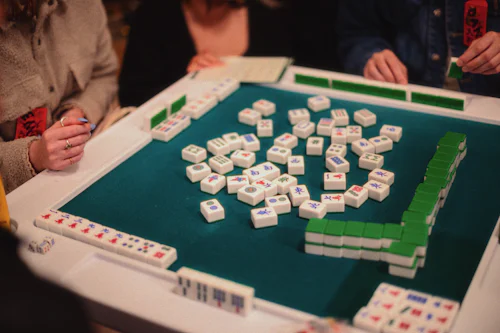
A clear starting point for choosing casino games
Slots and table games create distinct experiences, so consider what you want from a session before selecting a game. Slots are usually straightforward to start: choose a stake, check the paytable and features, then spin. The pace can be quick, and themes and mechanics vary widely. Table games such as blackjack, roulette, and baccarat involve more established rules and may invite decisions or social interaction. Learning the basics in advance can make those games easier to follow, but it does not change the uncertainty of each result.
Rather than treating one category as universally better, think about attention, pace, and comfort. A short session with a clear stopping point may suit a simple slot game, while someone who enjoys learning rules might prefer a table game with a slower rhythm. Minimum and maximum bets, game rules, and available features differ between casinos and individual games. Read the information provided before playing, and remember that no system or strategy can guarantee a win. The most useful starting point is a plan that keeps spending and time within limits you can afford.
How to plan a casino session that fits
A few decisions made before the first bet can help keep casino play structured. Set a spending limit using money reserved for entertainment, decide how long you want to play, and choose games whose rules and stakes make sense to you. If you are new to a table game, take time to understand its instructions before wagering. Treat any deposit as a cost of entertainment, not as money that must be won back.
- Set a budget: Choose an amount you can afford to lose without affecting bills, savings, or other commitments.
- Choose a time limit: Decide when the session ends and use a reminder if that helps you stick to it.
- Compare game styles: Review the rules, pace, stakes, and features of slots and table games before choosing.
- Start with a comfortable stake: Select bets that allow you to enjoy the session without feeling pressured to increase them.
- Stop at your limit: End play when your time or spending boundary is reached, regardless of the current result.
- A pre-set budget makes spending easier to monitor.
- A time boundary helps prevent an unplanned, extended session.
- Checking rules first can make unfamiliar games less confusing.
- Choosing a comfortable stake supports a more relaxed pace.
Practical ways to balance slots and table games
When you want variety, divide the session into clear parts rather than switching games impulsively. For example, you might begin by reading the rules for a table game, play a short, pre-planned round, and then move to a slot only if it remains within your original time and budget limits. The specific order is less important than deciding it in advance. Check each game’s minimum stake before joining, since table limits can differ substantially and slot bet ranges may vary by title. If a game feels confusing or too fast, pause and review its instructions instead of raising your wager to keep up.
- For a quick pace: Look for slots with clear controls and review their paytables before play.
- For decision-making: Read a table game’s rules and understand the available actions before betting.
- For a lower-stakes approach: Check the minimum bet and choose a game that fits your set budget.
- For a change of pace: Schedule a break between game types rather than letting a losing run dictate a switch.
Keep track of the amount spent and time elapsed as you move between games. A change from slots to roulette, for instance, does not reset your budget or make earlier losses less relevant. Avoid increasing stakes to recover money, and do not extend a session because you expect a win to arrive. If you notice frustration, fatigue, or pressure to continue, step away. These practical boundaries help keep game selection a matter of preference, rather than a reaction to short-term results.
Benefits of building a session around your preferences
A planned mix of casino games can make the experience more engaging while preserving a sense of control. Slots and table games differ in pace and participation, so choosing between them—or setting aside time for each—lets you shape the session around what you find enjoyable. Understanding the rules and costs also reduces avoidable surprises. The benefits are about a more considered entertainment experience, not improved odds: every game has uncertain outcomes, and previous results do not determine what happens next.
- More suitable pacing: Match a game’s rhythm to the amount of time and attention you want to spend.
- Clearer expectations: Learn the rules, stakes, and features before committing to play.
- Greater variety: Alternate between game formats when it fits your plan and limits.
- Better spending awareness: A fixed budget helps you make decisions without chasing losses.
Keep the session simple enough to follow. A long list of games, changing budgets, or repeated stake increases can make it harder to notice how much time and money you have spent. Choose a small number of games that genuinely appeal to you, take breaks, and stop when your limit is reached. If the experience stops feeling entertaining, ending the session is a sensible choice.
Trust, security, and responsible casino play
Before using an online casino, check that it is legally available where you live and look for clear information about licensing, account protection, payment processes, and customer support. Read the terms for deposits and withdrawals, and use strong, unique account credentials. Do not share passwords or verification details with anyone. A casino’s security measures can help protect account information, but they cannot remove the financial risks of gambling or guarantee a particular outcome. If important terms are unclear, contact customer support or choose not to proceed until you understand them.
Responsible play also means recognizing when casino gambling is no longer enjoyable or manageable. Do not gamble with borrowed money, funds needed for essentials, or money set aside for responsibilities. Many regulated services provide tools such as deposit limits, time reminders, cooling-off periods, and self-exclusion; review what is available and use those tools when appropriate. If you find yourself hiding play, chasing losses, or struggling to stop, take a break and seek support from a trusted person or a gambling-help service in your area. A planned session should always include the option to walk away.
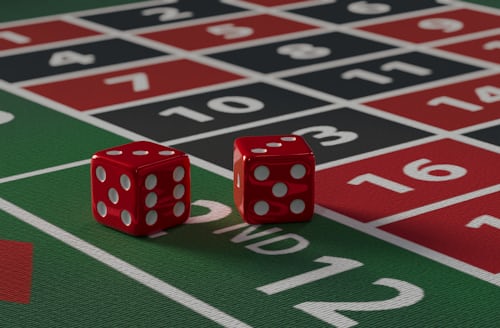
Choose a casino session by your own checklist
Before starting, ask yourself whether the casino is appropriate and lawful for you, whether the rules and costs are clear, and whether your budget and time limit are already set. Then consider the experience you want: a slot with simple controls, a table game whose rules you understand, or a modest combination of both. Make your choice based on enjoyment and comfort, not on claims that a game or pattern can deliver a reliable win. Keep your stake within the plan, take breaks, and stop when the limit arrives.
The best session is not necessarily the longest or the one with the most game changes. It is one where you understand what you are playing, stay within boundaries you chose in advance, and remain able to leave without feeling compelled to continue. Slots and table games can offer different kinds of entertainment, but neither guarantees a positive result. Approach casino play as optional recreation, and pause or seek help if it begins to affect your finances, mood, or daily life.
